
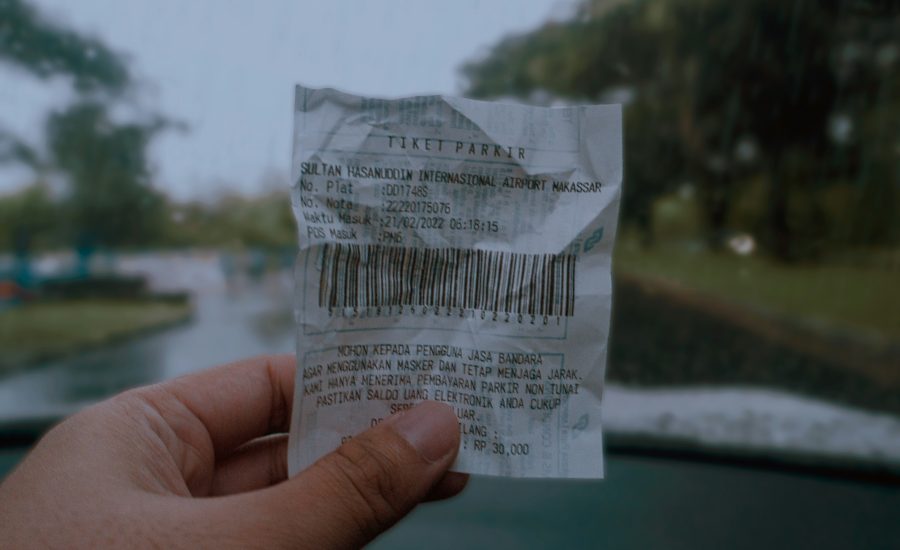
AI tools are making the workplace more efficient, but they’re also giving dishonest employees a powerful new way to cheat the system. A growing number of workers are using generative AI to create fake receipts and submit them for reimbursement, and most companies have no idea it’s happening.
Expense Fraud Just Got a Whole Lot Smarter
Fudging an expense report is nothing new. Workers have been padding receipts, rounding up taxi fares, and sneaking personal purchases into business claims for decades. But the old tricks were clumsy by comparison. A sloppy Photoshop job or a handwritten fake was relatively easy to spot if someone bothered to look.
That era is over.
Today’s generative AI tools can produce receipts that look completely authentic. These aren’t rough approximations. They include accurate merchant logos, proper formatting, functioning QR codes, realistic watermarks, and even the kind of creasing and fading you’d expect on a receipt that’s been sitting in someone’s wallet. The level of detail is staggering, and it takes seconds to produce.
Data from the expense management platform AppZen paints a stark picture. As of September 2025, AI-generated receipts make up 14% of all fraudulent documents submitted through expense systems. That number was actually sitting at near zero just a year earlier. The speed of adoption is alarming, and it shows no sign of slowing down.
Why Traditional Detection Methods Are Falling Short
Most companies rely on fraud detection systems built for a simpler time. These tools are designed to catch the obvious stuff. Duplicate invoices, vendors that don’t exist, amounts that fall outside policy guidelines, and patterns that look suspicious on the surface.
AI-generated receipts sail right past those checks.
Every fake document looks unique, so duplicate detection won’t flag it. The vendor names, addresses, and tax details all appear legitimate. The formatting matches what you’d expect from a well-known restaurant, hotel chain, or rideshare company. Even the metadata embedded in the file, the behind-the-scenes information that software tools examine, can be crafted to look authentic.
Some employees are going well beyond inflating a lunch tab. They’re fabricating entire business trips, complete with hotel confirmations, meal receipts, and transportation costs for journeys that never took place. When every piece of supporting documentation looks genuine, reviewers have almost no way to distinguish real from fake using conventional methods.
That’s the core of the problem. The tools designed to catch fraud were never built to handle forgeries this sophisticated.
The Cost Adds Up Faster Than You’d Expect
It’s easy to wave this off as a minor nuisance. A few extra dollars on a dinner receipt or an inflated mileage claim might seem harmless in isolation. But the math tells a different story.
The Association of Certified Fraud Examiners has long estimated that organizations lose roughly 5% of annual revenue to fraud. Expense reimbursement schemes are among the most common types, partly because they involve high volumes of small-dollar claims that don’t individually attract attention.
Now factor in AI. An employee who might have submitted one or two questionable receipts per quarter can now generate dozens of convincing fakes with almost no effort. Scale that across a workforce of hundreds or thousands of people, and the financial impact becomes significant in a hurry.
The damage goes beyond dollars, too. Unchecked expense fraud chips away at organizational trust, creates compliance headaches, and can expose companies to legal risk, particularly in heavily regulated industries where financial controls are subject to external scrutiny.
How Companies Can Fight Back
Addressing this problem starts with an honest assessment. If your organization still depends on manual receipt reviews or basic expense management software to catch fraud, you are not prepared for what AI has made possible.
Here’s what needs to change.
Use AI to Catch AI
The most effective countermeasure is deploying machine learning powered fraud detection that goes deeper than surface-level document review. These platforms analyze spending behaviors, submission timing, document origins, and broader patterns across the organization. They can identify anomalies that human reviewers and legacy systems consistently miss, like a receipt that’s technically flawless but doesn’t correspond to any known transaction in a merchant’s database.
Match Receipts Against Hard Data
One of the simplest and most effective defenses is cross-referencing submitted receipts with corporate credit card transactions, bank records, and booking confirmations. If someone submits a hotel receipt but there’s no matching charge on their company card, that discrepancy deserves a closer look. This kind of verification makes fabricated claims far harder to sustain.
Strengthen Your Policies and Make the Consequences Clear
Vague expense policies invite abuse. Employees should know precisely what qualifies as a reimbursable expense, what documentation they need to provide, and what happens when someone submits a fraudulent claim. And the consequences need to carry weight. If violations are handled inconsistently or brushed aside, policies become meaningless as a deterrent.
Train Employees on Ethical Reporting
Not every suspicious submission comes from someone with bad intentions. Some employees don’t fully understand the rules. Others convince themselves that minor inflation is harmless.
Regular training on ethical expense reporting, including direct conversation about AI-generated documents, helps build a culture where accountability is the norm. When people understand that the company takes this seriously, they’re far less likely to push the boundaries.
Run Random Audits
Even the best automated systems benefit from human oversight. Periodic manual audits serve a dual purpose. They catch things technology might miss, and they send a clear message that any expense report could be selected for deep review at any time. That knowledge alone changes behavior.
This Is About More Than Expense Reports
AI-powered fraud isn’t limited to fake receipts. Fabricated vendor invoices, falsified credentials, and deepfake communications are all emerging threats that businesses will need to confront in the coming years. Expense fraud just happens to be one of the earliest and most visible examples because the tools are accessible and the payoff is immediate.
Organizations that take this seriously now and invest in better detection, clearer policies, and stronger accountability frameworks will be far better positioned when the next wave of AI-enabled deception arrives. Those who treat it as a minor inconvenience will find the cost of inaction growing every quarter.
Protecting Your Bottom Line Starts With Awareness
AI is a transformative tool. It helps people work faster, make better decisions, and automate tedious processes. But the same technology that drafts emails and summarizes reports can also produce a flawless fake receipt in under sixty seconds.
The question facing every finance leader, compliance officer, and business owner isn’t whether this is happening within their organization. It’s whether they would know if it were.
The old methods of catching expense fraud are no longer sufficient. The tools employees have access to have fundamentally changed, and your defenses need to change with them. Acknowledge the risk, upgrade your systems, train your teams, and make it clear that integrity isn’t optional.
Because the longer this goes unaddressed, the more it’s going to cost you.