
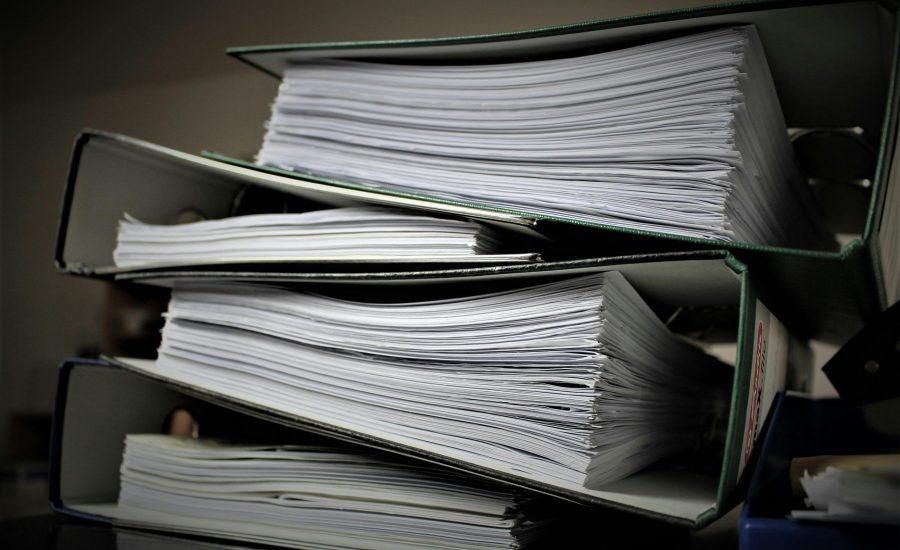
Still swimming in stacks of paperwork? If physical files are cluttering your space and slowing things down, shifting to digital documents might be one of the smartest moves you can make. It’s not just about saving space; it’s about improving how your team works every day.
What Going Digital Looks Like
Consider how often time is wasted tracking down printed forms or correcting errors in duplicate paperwork. It adds up fast. With document digitization, you can scan and convert paper files into digital versions that are easier to manage and access. Once stored in a document management system (DMS), these files can be pulled up in seconds instead of minutes.
Digital Workflows That Fit Any Industry
No matter what kind of work your business does, you’re probably handling more documents than you’d like. Small businesses across many industries, including healthcare, hospitality, retail, and professional services, are using digital file systems for:
- Contracts and agreements
- Marketing materials and printed flyers
- Reports, research files, or reference data
- Billing documents, invoices, or receipts
- Training guides and employee documents
- Inventory logs and supply chain records
Why It’s Worth the Change
As your business grows, the paperwork tends to pile up even faster. Starting the digitization process early, when your operations are still lean, makes scaling smoother later on. And benefits like these make the transition worth the effort.
Easier Teamwork
Rather than chasing down a physical file or emailing scanned pages, multiple staff members can access the same digital document at once from a shared location. Teams across departments or even different offices can stay aligned more easily.
Protection for Important Files
Paper can easily get lost, damaged, or misfiled. A strong digital system gives you a centralized way to store everything, and regular backups add another layer of protection. If something goes wrong, you won’t be starting from scratch.
Better Tools, Smarter Systems
Once your files are digital, other tools become immediately more useful. Inventory apps, point-of-sale systems, ERP platforms, and even barcoding technology can integrate directly with your files. For example, when staff scan items, your stock levels update right away. That provides real-time visibility for managers and streamlines your operations.
More Room to Breathe
Bulky filing cabinets and shelves take up a surprising amount of space. Going paperless frees up square footage that could be used for something more valuable. You also reduce your paper waste, which helps from both a cost and sustainability standpoint.
Just remember, some industries do have recordkeeping rules and may still require paper copies. Make sure to review those before tossing old files.
Quicker Help for Customers
When clients are waiting for answers, flipping through folders or searching through stacks doesn’t send the best message. Having digital records on hand lets you respond quickly and confidently. That speed and transparency can go a long way in building trust.
A Simple Step Toward Smarter Operations
Small businesses can’t afford to waste time or resources, and digitizing your documents is a practical way to create more efficiency. It helps reduce stress, prevent errors, and improve how your team communicates and serves your customers.
Taking this step makes your business more organized, more responsive, and better equipped for the growing demands of today’s fast-moving world.