
In today’s world, businesses depend heavily on technology to keep operations running smoothly. Computers, networks, and software applications are integral to daily business functions. However, technical issues can arise unexpectedly, causing disruptions and impacting productivity. This is where IT support becomes invaluable. Reliable IT support ensures business continuity by effectively managing and resolving technical challenges.
UNDERSTANDING IT SUPPORT
IT support, or Information Technology support encompasses various services designed to help users address and fix technical issues. Behind the scenes, IT support teams work to ensure technology systems run without interruption. Their responsibilities include everything from troubleshooting computer malfunctions to maintaining servers and network infrastructure.
HOW IT SUPPORT HELPS BUSINESSES STAY OPERATIONAL
Minimizing Downtime
IT support teams actively monitor systems to identify and address issues before they escalate. Regular maintenance, software updates, and security patch applications are all part of a proactive strategy that reduces the risk of downtime and ensures smooth business operations
Data Backup and Recovery
Data backup is a key component of business continuity. IT support teams make sure all critical data is backed up regularly and can be retrieved in case of an emergency, minimizing the impact of data loss.
Disaster Recovery Planning
IT support plays a significant role in creating and implementing disaster recovery plans. These plans outline how data will be recovered, alternative methods of communication, and ways to maintain operations during unexpected disruptions.
Cybersecurity Measures
Cybersecurity is a top priority for IT support teams, who work to shield businesses from potential cyber threats. They implement essential security practices, such as firewalls, antivirus software, and data encryption, and conduct regular security assessments. Employee training on cybersecurity best practices also helps reduce the risk of attacks.
Help Desk Services
A help desk allows employees to quickly report technical issues. IT support staff troubleshoot problems like software glitches, connectivity issues, and printer malfunctions, ensuring minimal downtime and keeping employees productive.
Remote Support Capabilities
With advancements in remote technology, many IT tasks can now be handled from afar. Remote support allows IT technicians to access and fix devices without being physically present, providing fast and efficient solutions.
Managing Hardware and Software
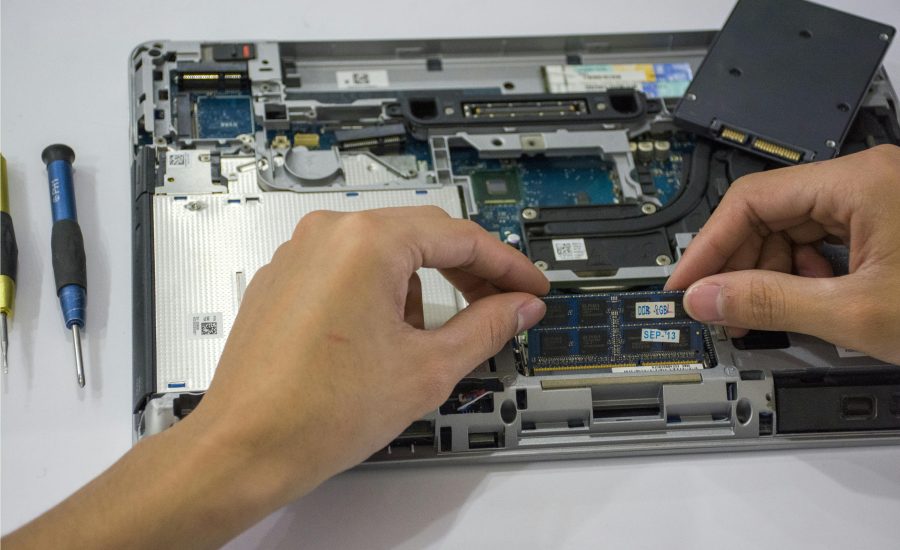
IT support also handles the management of hardware and software resources. This includes installing new applications, upgrading equipment, and ensuring system compatibility, all of which help prevent technical problems that could interrupt business activities.
Employee Training
Many technical issues stem from user errors. IT support helps by training employees to use software effectively and teaching best practices. Knowledgeable users are less likely to experience technical difficulties, and they are often better prepared to address minor issues independently.
In summary, IT support is essential for maintaining seamless business operations and effectively managing technical challenges. From preventing downtime to ensuring data recovery, implementing disaster recovery plans, and protecting against cyber threats, IT support enables businesses to operate without disruption. Moreover, help desk assistance, remote support, asset management, and user training contribute to quick and efficient problem resolution, helping businesses stay focused on their goals.