
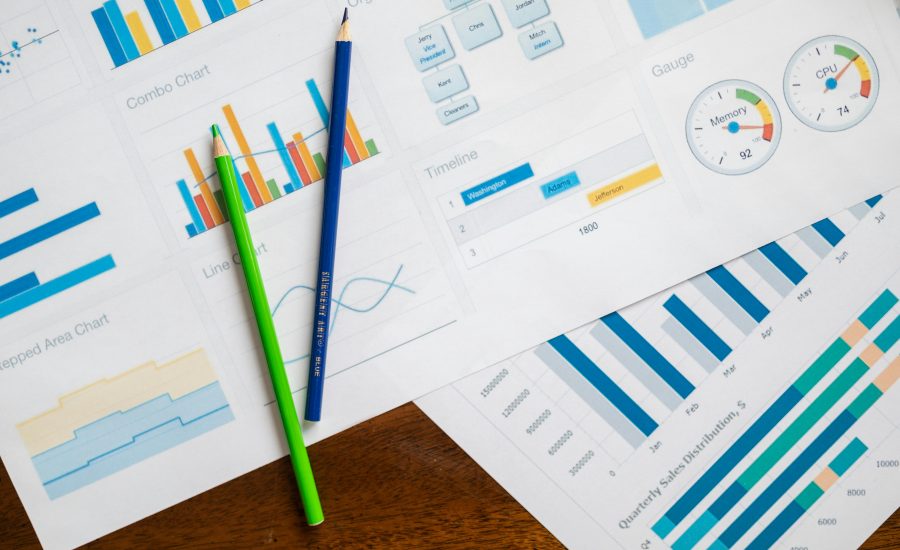
Spreadsheets have long been a staple in business operations, and if your company still relies on them, you’re not alone. Many organizations continue to use them for budgeting, forecasting, and managing critical data. Their familiarity makes them convenient, but spreadsheets may no longer be the best tool for the job as businesses evolve.
While spreadsheets offer flexibility, they also create barriers to efficiency and automation. A recent study highlights that sticking with them could be slowing your company’s growth, making it harder to integrate artificial intelligence and automation tools that drive modern business success.
Why Spreadsheets Might Be Slowing You Down
Spreadsheets are useful because they’re easy to customize, and most teams are already comfortable using them. However, this convenience can come at a cost. Over time, businesses often end up with countless individual sheets used for different tasks, creating what some call “spreadsheet sprawl.”
This scattered approach to data management can make it difficult to maintain accuracy, streamline processes, and implement automation. Relying too heavily on spreadsheets can introduce several challenges, including:
- Higher chances of mistakes due to manual data entry
- Lack of built-in version control and automation tools
- Difficulty scaling as data volume and complexity grow
- Limited collaboration options, making real-time teamwork challenging
- Potential security risks and compliance concerns
These issues can lead to inefficiencies, wasted time, and errors in decision-making. Duplicate versions of the same spreadsheet can cause conflicting data, making it harder to trust the numbers. Without strong security and compliance features, sensitive business information may also be at risk.
Embracing Modern Tools for Greater Efficiency
Shifting from spreadsheets to more advanced business tools can transform the way your company operates. With the right software, your team can access a clearer, more accurate picture of your data, leading to better decision-making and improved efficiency. Automation reduces human error, and real-time updates ensure that everyone is working with the most current information.
Upgrading to a modern system offers several benefits:
- Customizable solutions tailored to your business needs
- Seamless integration with CRM, accounting, and other essential software
- Improved collaboration with shared, real-time data access
- Faster, more reliable data analysis for spotting trends and opportunities
- Stronger security measures, including encryption and user authentication
- Scalability that grows with your business
Many alternatives can replace spreadsheets, from cloud-based platforms and business intelligence tools to enterprise resource planning (ERP) systems and project management solutions. By adopting these technologies, your business can reduce inefficiencies, improve accuracy, and stay ahead in an increasingly competitive landscape. Transitioning to modern solutions enhances productivity and positions your company for sustainable growth and success.