
Have you ever wondered how secure your sensitive information really is? For many, the answer lies in a basic password, typically seven to twelve characters. While longer passwords offer increased security due to their complex combinations, they’re far from foolproof.
Password breaches are common, leaving business owners questioning how to better protect their valuable data. The solution? Biometrics, a cutting-edge technology providing unparalleled security.
What Are Biometrics?
Biometric technology uses unique human characteristics to verify identity, offering a much stronger alternative to traditional passwords. Unlike passwords, which can be hacked or stolen, biometric data is unique to each individual and nearly impossible to replicate. Businesses can store employee biometric data in encrypted systems, making it one of the most reliable forms of digital authentication worldwide.
Different Types of Biometric Authentication
If you’re considering adopting biometrics for your business, you’ll find various methods available to suit different needs. Here are some of the most common:
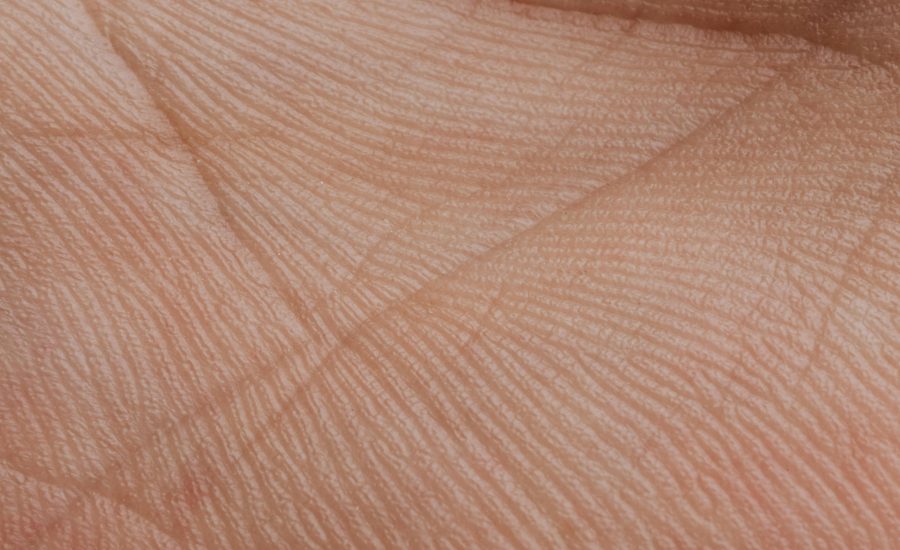
- Fingerprint Recognition: Scans fingerprints to identify unique patterns, ensuring no two users can be confused.
- Iris and Retina Scans: Capture the intricate patterns within the eye, making them highly secure.
- Voice Recognition: Records and analyzes voice samples to create a template. When logging in, the system matches your voice against this template to grant access.
- Facial Recognition: Uses AI to map facial features, identify key patterns, and differentiate between similar-looking individuals.
- Hand Geometry: Scans the shape, size, and subtle movements of a person’s hand to verify their identity.
Why Biometrics Are Beneficial
Biometric security offers significant advantages over traditional authentication methods:
- Enhanced Security: Biometric systems are incredibly difficult to forge. They also include continuous authentication protocols, ensuring threats are mitigated swiftly. For example, if an attempted voice login fails, the system can prompt for a fingerprint or retina scan as a backup.
- Convenience: Employees no longer need to memorize complex passwords, worry about being locked out of devices, or keep track of physical security keys. Biometric data like fingerprints or voice recognition simplifies the login process.
- Adaptability: Multi-factor authentication (MFA) combines biometrics with other verification steps for added security, providing layers of protection in response to any suspicious activity.
Why Consider Biometrics for Your Business?
Whether your goal is to enhance security, streamline employee access, or stay ahead in a tech-driven world, biometric technology is a smart investment. Explore the various authentication methods to find the right fit for your business needs, and take the first step toward a safer, more efficient workplace today.